

New Roofs in Dudley
Full re-roofs done properly: stripped to the timbers, new membrane and battens, tiles or slates laid straight, dry ridge as standard. Twenty minutes south, strongest on the north side.
New Roofs for Homes in Dudley
The Priory and Wren’s Nest estates anchor our Dudley re-roof work, interwar council building of real quality whose original roofs are simply done, street after street. Recovers there follow our standard reset, strip, membrane, battens, modern tiles, dry-fixed edges, sized efficiently to house types we have met many times.
We cover Dudley and the surrounding area: Priory estate, Wren’s Nest, Eve Hill, Kates Hill, Castle area and beyond (DY1, DY2).
Get a Free Dudley Quote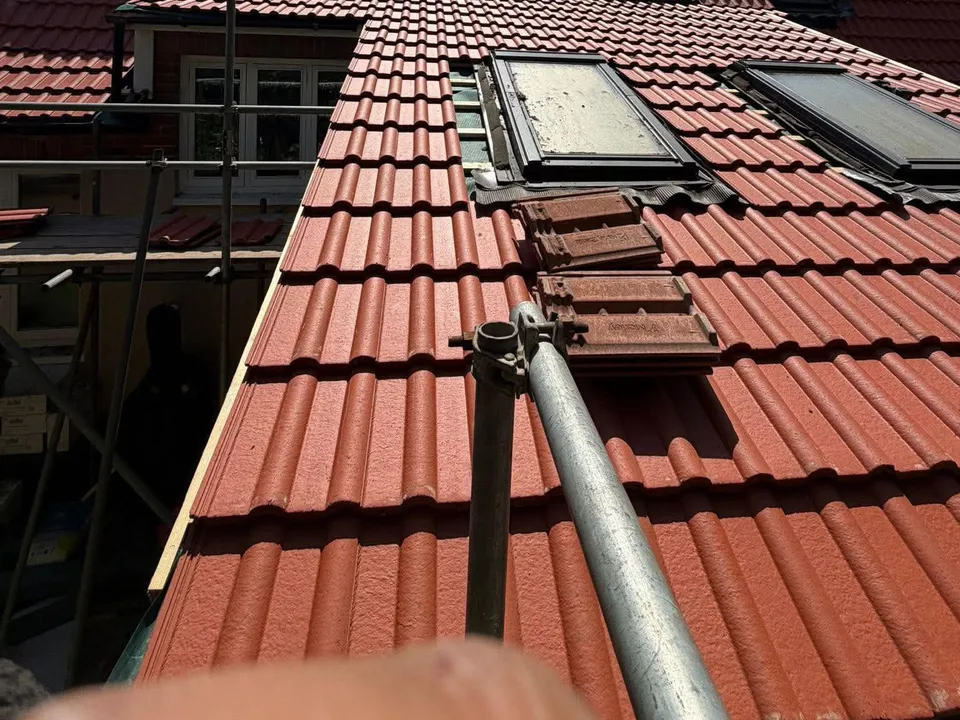
What’s Included
The hill terraces re-roof with row-matching discipline, and the elevated streets around the castle side earn exposure-grade fixings. Coming in from the north through Sedgley and Coseley, the north side is the ground we reach fastest, which is why it is where we focus.
- Stripped to the rafters, timbers checked and repaired
- Breathable membrane and treated battens throughout
- Concrete tile, clay tile, natural or fibre cement slate
- Dry ridge and dry verge systems as standard
- New lead flashings, chimney work while the scaffold is up
- Waste cleared daily, site left tidy
How It Works
New Roofs in Dudley, FAQs
The complete reset, old tiles and felt off, timbers checked, breathable membrane and new battens on, modern tiles with dry ridge and verge. On those solid interwar houses it is transformative, and the house types quote quickly and accurately.
Always, a terrace roof is one long composition and your section should sit invisibly in it. Materials and coursing get chosen against the neighbours, not against a price list alone.
The felt is usually the decider. If the membrane under the tiles has gone brittle and torn across large areas, every repair is temporary because water finds the next tear. Widespread nail failure and constant slipped tiles point the same way. We will tell you straight which category your roof is in, and quote a repair instead if that is the honest answer.
A typical semi takes around a week from scaffold up to scaffold down, weather permitting. Bigger roofs, slate work and chimney rebuilds add time. You get a realistic timeline with the quote, not a guess.
Ridge and hip tiles were traditionally bedded on mortar, which cracks with the seasons and eventually lets tiles come loose. A dry ridge system clamps them mechanically with screws and brackets, allows the roof to breathe, and does not need rebedding every few years. It costs a little more on day one and saves money every year after.